.webp)





Introduction
Escape from Tarkov is not just a shooter; it is a brutal survival simulator that punishes impatience and rewards preparation. Many players quit within their first few hours, not because the game is unfair, but because it explains almost nothing. This how-to review is written to guide you step by step through Tarkov’s systems, mindset, and mechanics so you can survive raids, extract consistently, and progress with confidence instead of frustration.
Rather than focusing on hype or surface-level impressions, this article breaks down how to actually play Escape from Tarkov effectively, from your first raid to long-term mastery. Whether you are completely new or returning after a long break, this guide explains what to do, why it matters, and how to improve over time.
1. Understanding What Escape from Tarkov Really Is
Escape from Tarkov is not a traditional FPS. There are no fair fights, no equal loadouts, and no guaranteed second chances. Every raid is a high-risk operation where death means losing nearly everything you brought with you.
The game combines hardcore gunplay, RPG-style progression, inventory management, and survival decision-making. You are not trying to “win” a match; you are trying to extract alive with valuable loot while completing tasks. Understanding this core philosophy is the first step to enjoying Tarkov instead of fighting against it.
New players often make the mistake of treating Tarkov like Call of Duty or Battlefield. Running, shooting everything, and chasing kills usually leads to fast deaths. Tarkov rewards patience, sound awareness, positioning, and knowing when not to fight.
2. Setting Up Your Account and Choosing a Starting Path
When you first launch Escape from Tarkov, your initial account setup matters more than you might expect. Your starting edition determines stash size, trader reputation, and starting equipment. While higher editions offer convenience, all players can progress without paying extra.
The most important early decision is how you approach your first hours:
- Learning maps instead of chasing kills
- Prioritizing survival over loot quantity
- Accepting death as part of learning
Before entering live raids, you should spend time in offline mode. Offline raids let you explore maps, learn extraction points, and understand AI behavior without losing gear. This step alone saves dozens of hours of frustration later.
3. Learning Maps the Right Way (Before Anything Else)
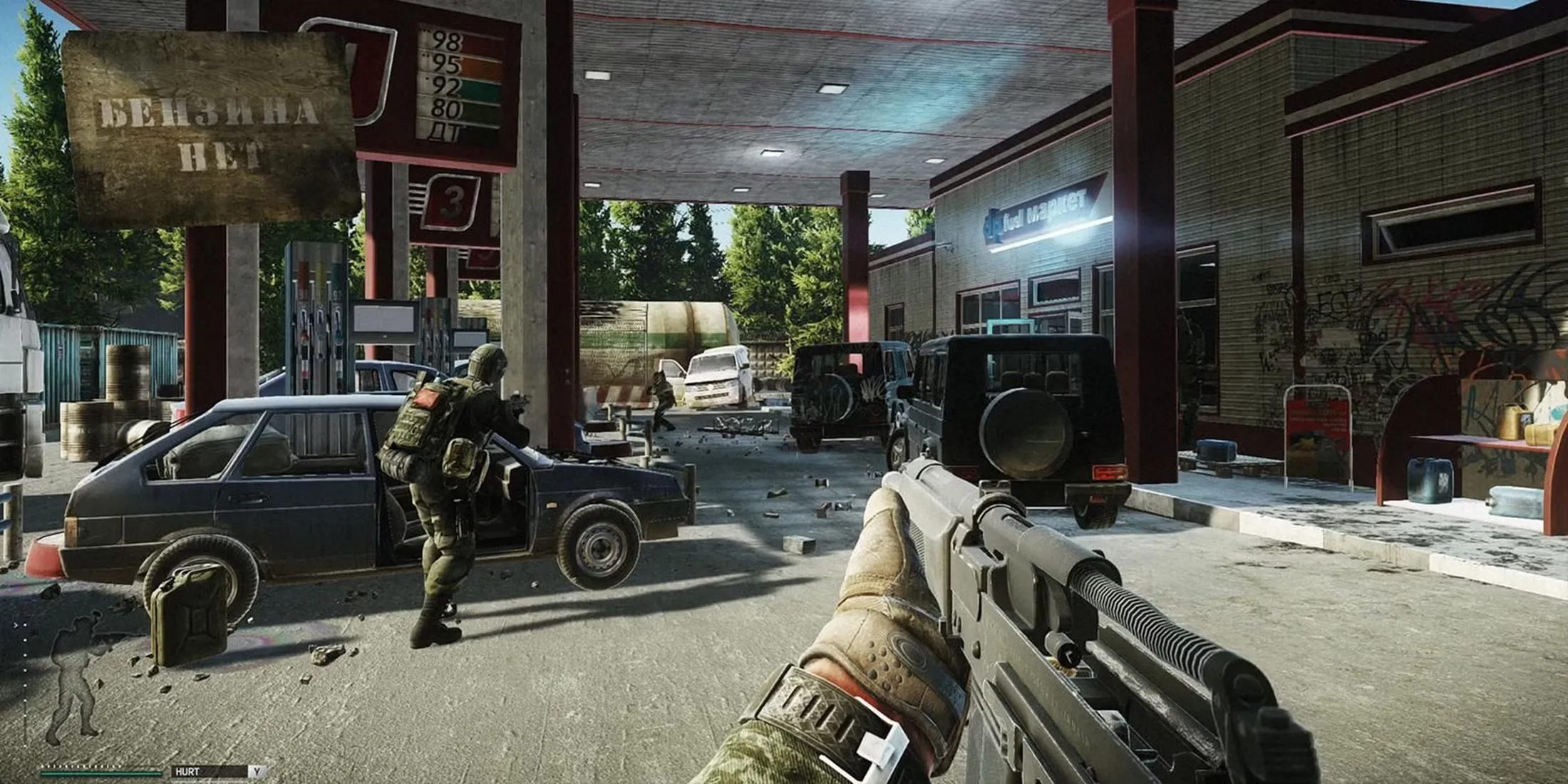
Map knowledge is the single most important skill in Escape from Tarkov. If you do not know where you spawned, where enemies might be, and where to extract, you are already at a disadvantage.
Start with beginner-friendly maps:
- Customs
- Woods
- Shoreline (avoiding the Resort early)
Focus on learning:
- Spawn locations
- Common player routes
- High-risk PvP areas
- Safe extraction paths
Instead of trying to memorize everything at once, choose one map and play it repeatedly. Use external maps while learning. Over time, you will naturally develop a sense of flow: where players move, where fights happen, and where danger usually comes from.
4. How Loadouts Work and Why Cheap Gear Is Better Early
One of the hardest mental adjustments in Tarkov is accepting that expensive gear does not guarantee survival. New players often equip their best weapons and armor, only to lose them instantly.
Early on, your goal is efficiency, not power. Budget loadouts allow you to:
- Learn without fear of loss
- Play more aggressively when needed
- Recover faster from deaths
A simple rifle, basic armor, and minimal healing items are enough to succeed. As your skill improves, gear becomes a tool rather than a crutch. Tarkov rewards smart positioning and information far more than raw firepower.
5. How Combat Really Works in Escape from Tarkov
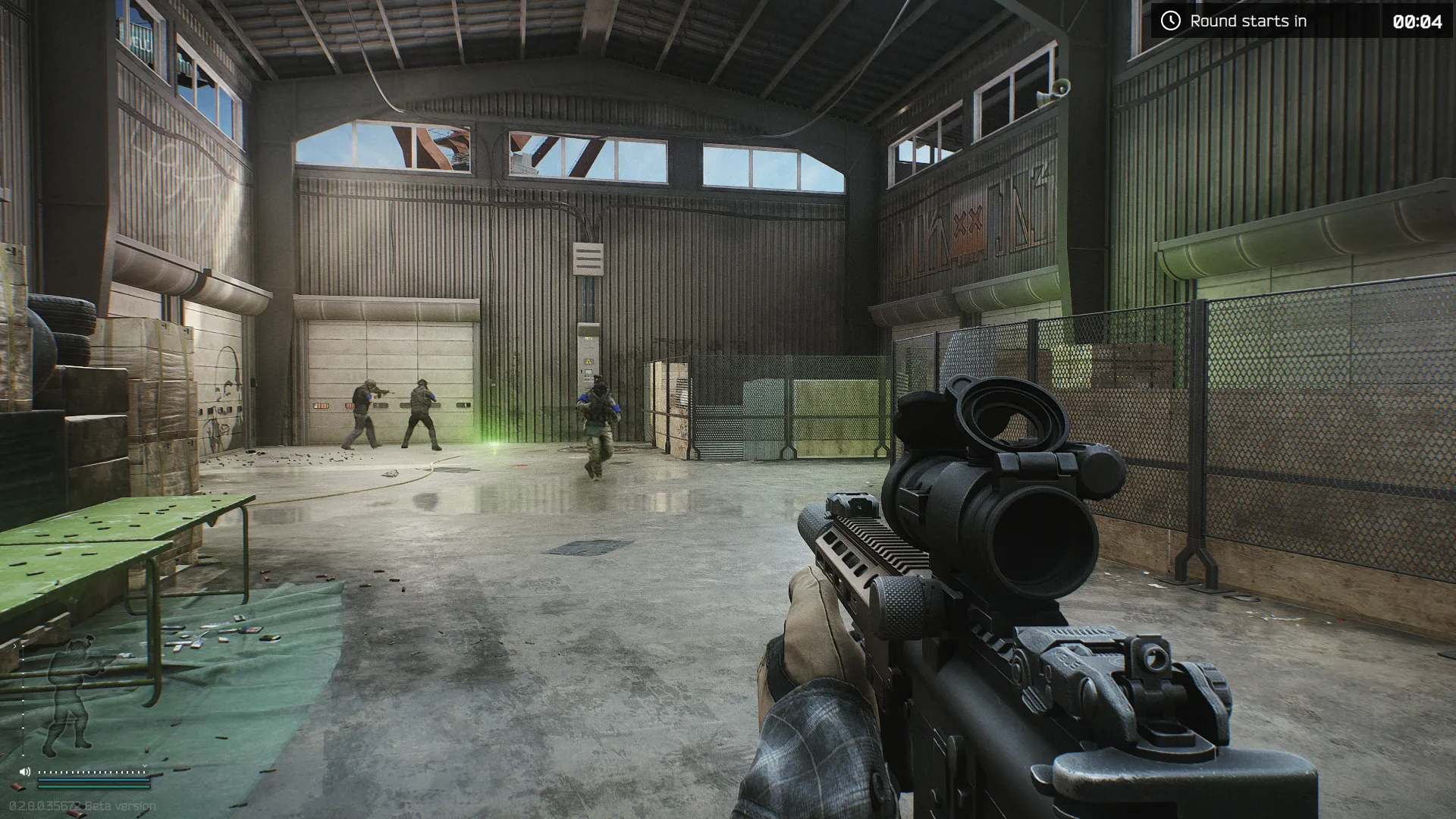
Gunfights in Tarkov are fast, deadly, and often decided before the first shot is fired. Positioning, sound, and ammunition choice matter more than reflexes alone.
Key combat principles:
- Always assume someone hears you
- Use cover, not concealment
- Fire controlled bursts instead of spraying
- Choose ammo carefully; bullets matter more than guns
Many deaths happen because players panic. Learning when to disengage, reposition, or simply wait is a skill that separates experienced players from beginners. Sometimes the smartest move is letting another player pass instead of forcing a fight.
6. Managing Health, Injuries, and Survival Systems
Escape from Tarkov’s medical system is complex but crucial. Injuries persist after raids, and ignoring them can ruin future runs.
You must manage:
- Bleeding
- Fractures
- Dehydration and energy
- Limb damage
Understanding which medical items fix which problems saves lives. Healing mid-fight is often impossible, so prevention matters more than reaction. Avoid unnecessary risks, and always plan an escape route before engaging enemies.
Outside raids, your hideout and stash management directly affect your survival rate. Preparing properly before each raid is part of the game, not downtime.
7. Looting Smart Instead of Looting Everything
Not all loot is equal in Tarkov. New players often die because they spend too long looting low-value items or overfill their backpacks.
Learn to prioritize:
- Quest items
- High-value barter items
- Compact, expensive loot
Knowing when to stop looting is as important as knowing what to pick up. Greed kills more players than gunfire. A half-full backpack and a safe extraction are always better than one more risky building.
8. Progression, Traders, and Task Efficiency
Progression in Escape from Tarkov is driven by trader tasks, not kills. Tasks unlock better gear, ammo, and hideout upgrades.
Focus on:
- Completing early trader quests quickly
- Combining multiple tasks in one raid
- Avoiding unnecessary PvP during task runs
Many tasks require specific locations or items. Planning your raid around objectives dramatically increases efficiency. Over time, traders become your lifeline, providing consistent access to equipment instead of relying on scavenged gear.
9. The Role of Scav Runs and Risk-Free Learning
Scav runs are one of Tarkov’s most valuable tools for beginners. They allow you to:
- Learn maps without risking your main gear
- Earn money safely
- Practice combat with less pressure
Playing as a scav teaches patience and situational awareness. Because you start with random gear, you learn adaptability instead of relying on a perfect loadout. Successful scav runs can fully fund your PMC raids.
10. Developing the Right Mindset for Long-Term Success
Escape from Tarkov is designed to be stressful, unfair, and punishing. Accepting this is the final step toward enjoying the game.
You will die.
You will lose gear.
You will make mistakes.
But every raid teaches something. Players who succeed are not those with the best aim, but those who stay calm, learn from losses, and improve decision-making over time. Tarkov is a marathon, not a sprint.
Conclusion
Escape from Tarkov is one of the most demanding games in the world, but also one of the most rewarding. By understanding its systems, respecting its difficulty, and approaching each raid with intention, you transform frustration into mastery. Survival is not about luck—it is about preparation, patience, and smart choices.
If you treat Tarkov as a learning experience rather than a test of reflexes, it becomes a deeply satisfying survival journey unlike any other shooter.
160-Character Summary
A complete how-to guide for Escape from Tarkov covering maps, combat, loot, progression, and survival strategies to help players extract consistently.