ShapeHero Factory – How to Build Efficient Production Lines and Defend Your Factory

ShapeHero Factory is a factory-building and automation strategy game that combines resource management with defensive gameplay. Players must construct efficient production systems while creating powerful units capable of defending the factory from incoming threats.
The game focuses on designing automated production chains using shapes, machines, conveyors, and processing systems. As your factory expands, enemy attacks become stronger, forcing players to balance industrial growth with strategic defense. Efficient logistics and smart planning are essential for long-term survival. This guide explains how to optimize production, expand your factory, and defend against enemy waves.
1. How to Start Your First Factory
At the beginning of ShapeHero Factory, your main objective is collecting basic resources and creating simple production lines.
You will start with limited machinery and must learn how to connect miners, conveyors, and processors efficiently.
Important early steps include:
- Gathering basic materials
- Building your first conveyor belts
- Connecting resource extractors
- Creating simple production chains
Starting with organized layouts makes expansion easier later.
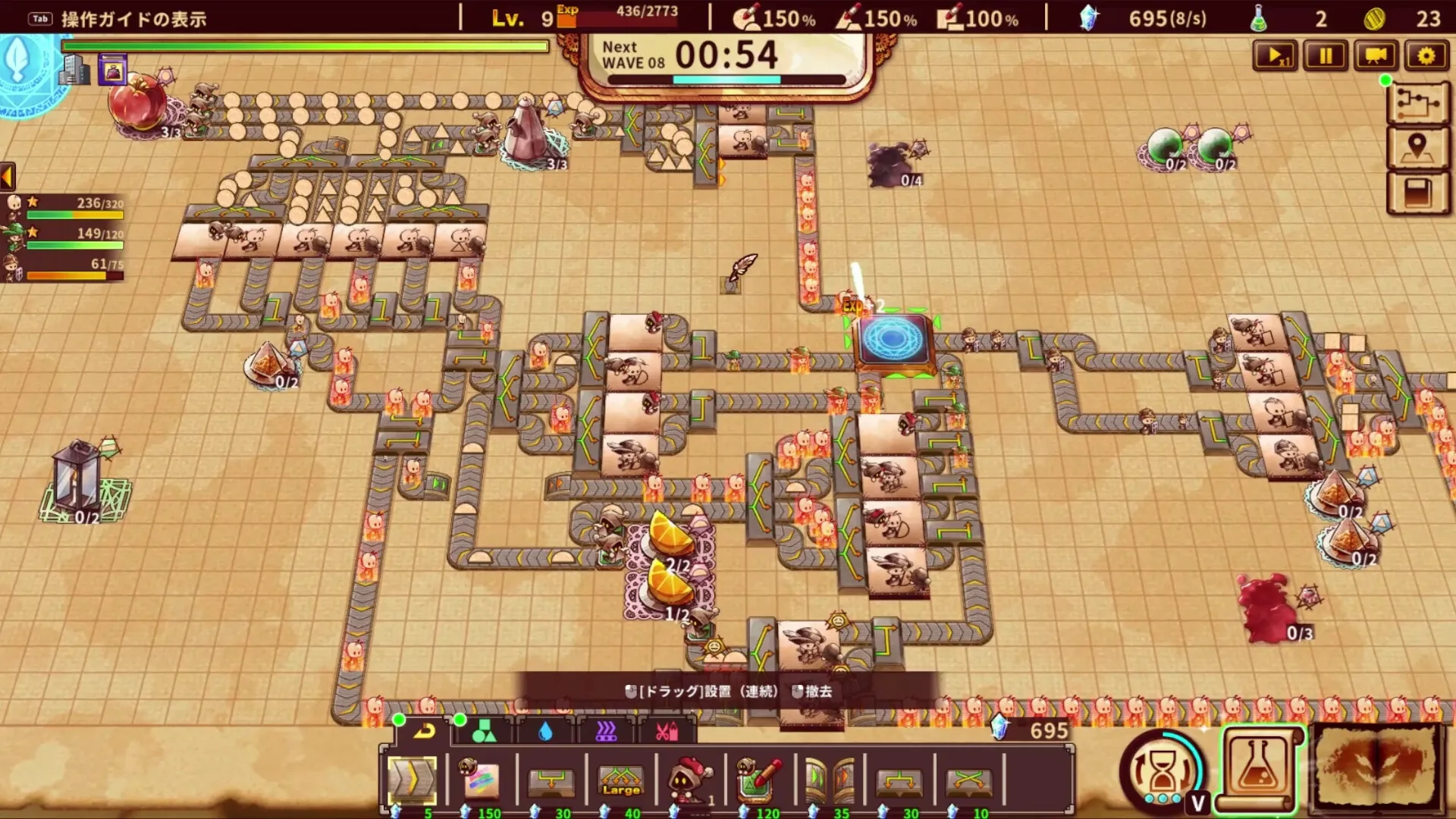
2. How to Build Efficient Conveyor Systems
Conveyor belts are the foundation of your factory. They transport resources between machines and production stations automatically.
Poor conveyor placement can create bottlenecks that slow down production.
Conveyor management tips include:
- Keeping belt routes organized
- Avoiding unnecessary intersections
- Separating resource lines
- Leaving space for expansion
Efficient transportation systems improve factory performance.
3. How to Process and Combine Shapes
Processing shapes is one of the core mechanics of the game.
Machines can cut, combine, rotate, and modify shapes into more advanced forms required for production and upgrades.
Basic processing strategies include:
- Separating raw materials efficiently
- Combining shapes in the correct order
- Organizing processing stations logically
- Maintaining steady material flow
Advanced production chains require careful planning.
4. How to Automate Production Completely
Manual management becomes impossible as the factory grows. Full automation is necessary for large-scale production.
Automated systems continuously create resources, units, and upgrades without player intervention.
Automation methods include:
- Connecting machines through conveyor systems
- Using automated sorting systems
- Maintaining balanced input and output rates
- Expanding production modules gradually
Automation increases efficiency and scalability.

5. How to Expand Your Factory Safely
As production increases, your factory requires additional space and infrastructure.
Expanding too quickly without proper organization can create logistical problems.
Expansion strategies include:
- Building modular production sections
- Separating industrial zones
- Upgrading transportation networks
- Monitoring resource consumption
Careful expansion prevents production collapse.
6. How to Produce Defensive Units
Enemy attacks become more dangerous as the game progresses. Producing defensive units is critical for survival.
Factories can manufacture specialized units capable of protecting important infrastructure.
Defense production priorities include:
- Creating combat units early
- Maintaining ammunition production
- Upgrading defensive technology
- Replacing destroyed units quickly
A strong defense system protects valuable production lines.
7. How to Defend Against Enemy Waves
Enemy waves target your factory and attempt to destroy critical structures.
Strategic placement of defenses greatly improves survival chances.
Defense strategies include:
- Building defensive lines near entrances
- Protecting key production buildings
- Positioning units strategically
- Reinforcing weak areas regularly
Well-organized defenses minimize damage during attacks.
8. How to Upgrade Factory Technology
Technology upgrades unlock faster machines, stronger defenses, and advanced production systems.
Research progression is essential for keeping up with increasing difficulty.
Important upgrades include:
- Faster conveyor systems
- Improved processors
- Advanced automation tools
- Enhanced combat units
Technological advancement improves both economy and defense.

9. How to Manage Resources Efficiently
Resource shortages can stop production entirely if not managed properly.
Balancing input and output rates ensures continuous factory operation.
Resource management tips include:
- Monitoring material flow
- Expanding mining operations when needed
- Preventing production bottlenecks
- Storing reserve materials
Stable resource management supports long-term growth.
10. How to Achieve Long-Term Factory Success
Long-term success in ShapeHero Factory depends on balancing automation, expansion, and defense.
Players who build organized factories and maintain efficient logistics systems can survive even the largest enemy assaults.
Long-term strategies include:
- Continuously improving automation
- Expanding defensive infrastructure
- Optimizing production layouts
- Preparing for larger enemy waves
Efficient planning leads to industrial dominance.
Conclusion
ShapeHero Factory combines factory-building strategy with intense defensive gameplay, creating a unique automation experience. By designing efficient conveyor systems, automating production chains, and building strong defenses, players can transform a small workshop into a massive industrial fortress.
Through careful planning, resource management, and strategic defense, players can survive increasingly dangerous attacks while building the ultimate automated factory.